Networking
Shop all 595 products
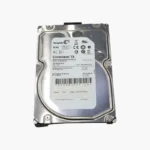
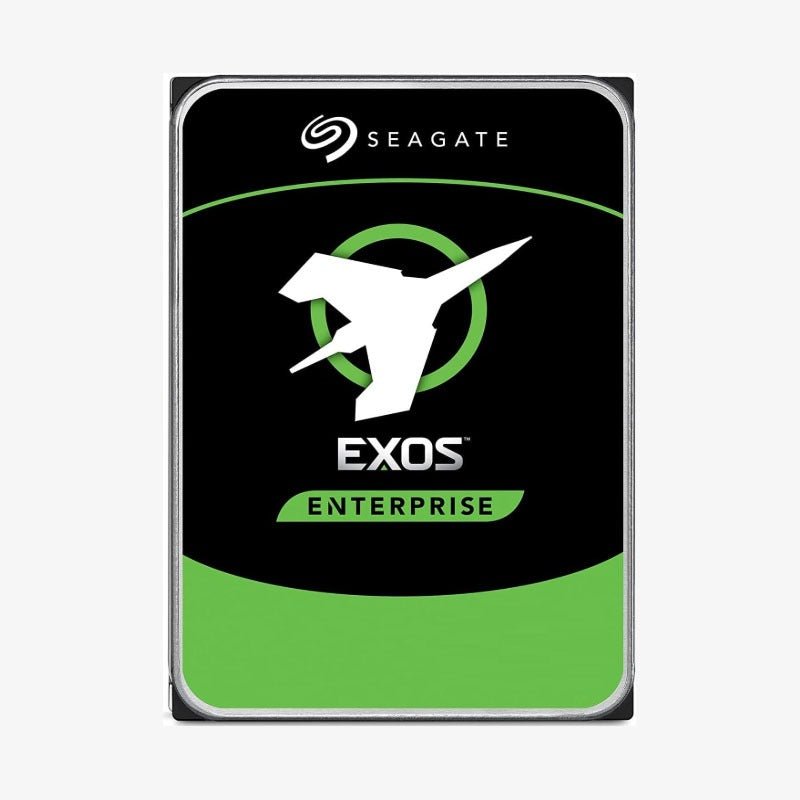
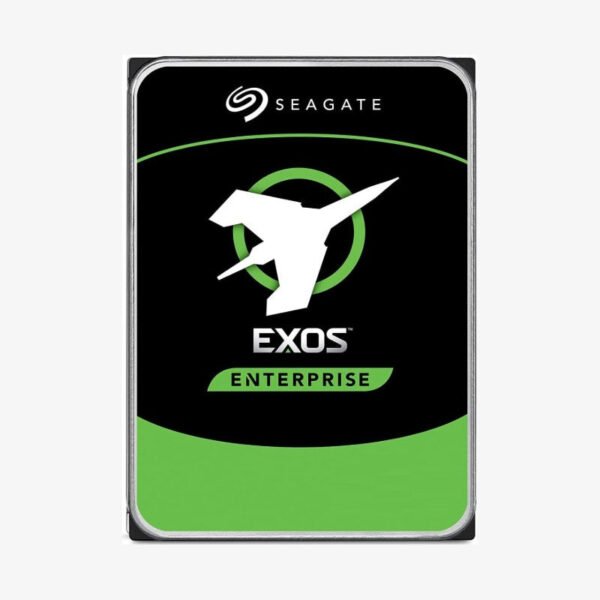
The Seagate Enterprise Capacity 3.5 v4 6TB (ST6000NM0034) is a 3.5-inch, 7200 RPM enterprise hard drive with a SAS 12Gb/s interface and 128MB cache. Rated at 2,000,000 hours MTBF, it is designed for 24/7 data center operation and suits enterprise RAID groups, backup targets and virtualization datastores.
Deep-Dive Story & Problem/Solution
Why Servers Need Enterprise-Class Drives
Servers and storage arrays run continuously under heavy random and sequential workloads, in chassis packed with spinning disks. Consumer and NAS drives are not rated for those workloads or for the rotational vibration of dense enclosures, which leads to throttled performance, timeouts and early failures across a fleet.
Seagate Enterprise Capacity 3.5 v4 drives are built for that duty. The ST6000NM0034 is rated for 550TB per year and carries a 2,000,000 hours MTBF rating, with firmware designed to maintain throughput in RAID and multi-drive systems. Its air-based design offers proven, cost-effective capacity for bulk and replacement storage.
It uses CMR, avoiding the write penalties that shingled drives introduce during RAID rebuilds and random write workloads.
Dual-Port 12Gb/s SAS — Redundant Data Paths
Dual 12Gb/s SAS ports allow two controllers to reach the drive, supporting multipath configurations and higher availability in SAS servers, JBODs and storage arrays.
Built for 24/7 Data Center Reliability
With 6TB of capacity and a 128MB cache, the ST6000NM0034 delivers consistent performance for backup repositories, distributed file systems such as Ceph and Hadoop, and virtualization datastores. Its reliability rating supports predictable fleet planning.
Setup Instructions
How to Install the Seagate Enterprise Capacity 3.5 v4 6TB in a Server or Storage Array
- Confirm your server, HBA or RAID controller supports SAS 12Gb/s drives at this capacity, and update controller firmware if needed.
- Mount the drive in a compatible 3.5-inch carrier and insert it into the bay (hot-swap where the backplane supports it).
- Verify the controller detects the drive, then initialise it or add it to a new or existing RAID group or storage pool.
- Enable S.M.A.R.T. or controller-level health monitoring and alerts as part of standard maintenance.